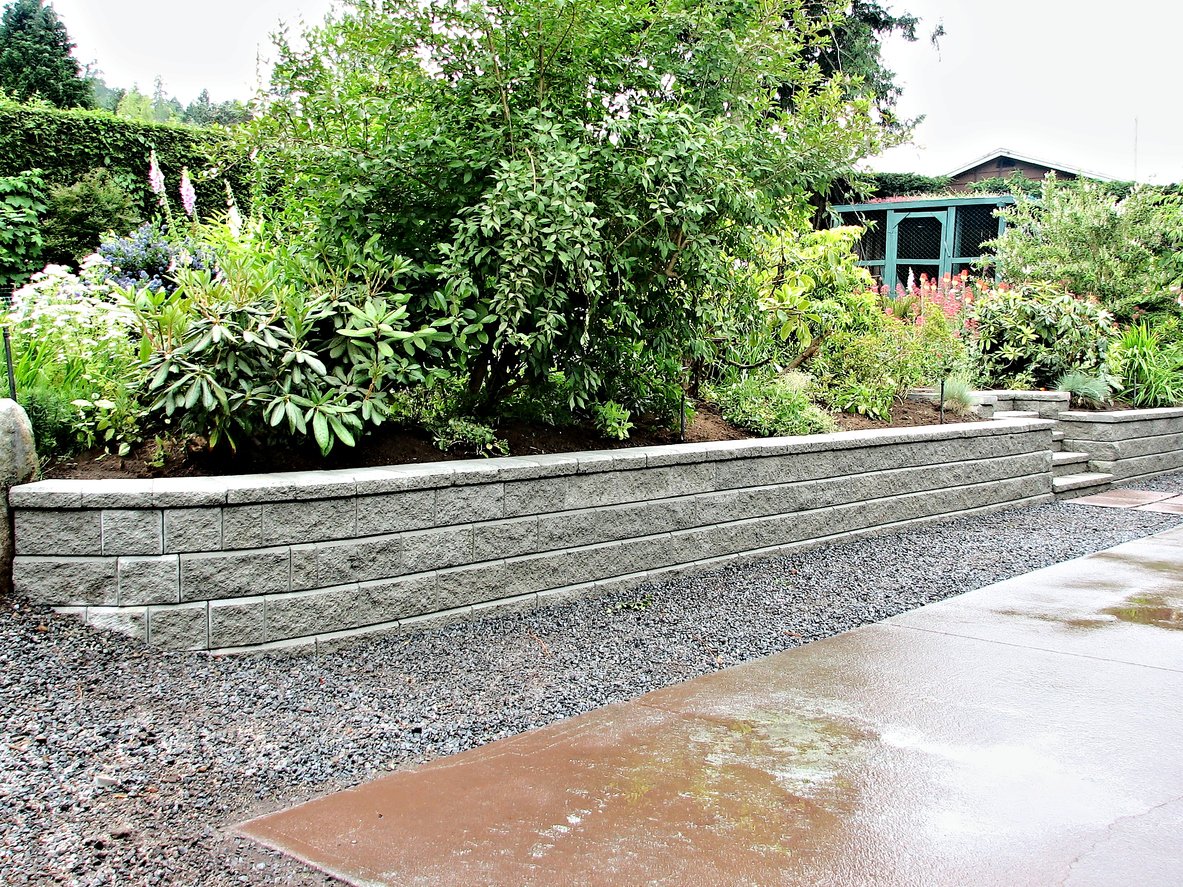
Retaining Wall Failure on Georgia Clay Soil and What It Signals About Your Slope
Across Atlanta’s hillside lots, a tilting or cracked retaining wall is rarely just a cosmetic issue. It is a structural warning tied to Georgia Piedmont clay soil and the way water moves through a slope. For a homeowner in Buckhead, Brookhaven, Midtown, Virginia Highland, or Decatur, a wall that leans or bulges can signal soil pressure increases, drainage problems, or surcharge loads from a driveway, porch, or addition above. If someone started searching for because a wall is moving, this is the right moment to treat the slope and its structures as part of one system, not as an isolated repair.
Heide Contracting sees the same pattern again and again on Atlanta lots with real grade change. The Georgia red clay expands when wet and contracts when dry. That shrink-swell cycle builds lateral pressure against any below-grade structure, including retaining walls and foundation walls. If drainage is poor or if a wall lacks proper footing depth, geogrid reinforcement, or a working weep system, the soil loads increase until the wall begins to move. Once that starts, time works against the structure. The next winter rains or a summer storm along the Atlanta BeltLine can add water weight in a single afternoon and push the wall further out.
Why this matters for an Atlanta slope
Hillside lots from Morningside to Inman Park often have stacked site features that rely on one another. A driveway or car court placed near the top of a short retaining wall adds what engineers call surcharge. Surcharge is extra weight near or on the soil behind the wall. It changes the load path, which is the path that weight takes through a structure and into the ground. Georgia Piedmont clay soil can support large loads if the wall and footing are detailed well and if water is managed. If not, the bearing capacity, which is the soil’s ability to hold weight, drops when the soil gets wet. That is when the wall loses support and rotates or slides.
For a homeowner, the first alarm is often small. Mortar cracks at a joint. A timber tie separates. A cap stone wobbles. Each of these signs points to soil movement and water pressure on the back of the wall. It also says the slope above or below the wall could be at risk. A moving wall near a porch or deck can transfer movement into posts or beams. A wall aligned with a foundation can push on a basement wall and trigger foundation wall movement. On Atlanta’s older homes, a wall that has been patched repeatedly without addressing drainage often leads to interior symptoms like a musty basement, paint flakes from dampness, or hairline cracks on a lower-level drywall seam.
How Georgia Piedmont clay soil drives retaining wall failure
Georgia Piedmont clay soil is dense and holds water. In a dry spell, it shrinks and pulls away from the wall. In heavy rain, it swells and traps water against the wall if there is no gravel backfill and no working drainage path. That wet soil becomes heavier and pushes laterally. In most Atlanta neighborhoods, the slope also collects runoff from uphill neighbors or from hardscapes that shed water toward the wall. If a wall has no filter fabric, clean gravel backfill, perforated drain line, or weep holes, hydrostatic pressure, which is the pressure from water that cannot escape, rises against the wall and increases the risk of failure.
A second cause is footing and reinforcement. A footing is the widened concrete base that distributes the load of the wall into the soil. If the footing is shallow, narrow, or sits on soft fill rather than undisturbed soil, it can settle or slide. Reinforcement matters too. A concrete or masonry wall needs steel reinforcement and proper connection to the footing. A segmental block wall needs geogrid layers locked into the blocks at set heights. A timber wall needs deadmen, which are anchors that extend back into the slope. On many older Atlanta properties, the original wall lacked these elements because the site was graded decades ago and materials were different. Those walls can hold for years, then shift in a single wet season.
What a failing wall signals about your slope and your house
A wall is one part of a slope system. When it fails, it sends a message about how the whole site behaves:
- Water is not moving away from the slope. Standing water or wet clay behind the wall points to clogged or missing drains. The wall is underbuilt for its height, surcharge, or soil type. This often shows up as bulging at mid height, which is where lateral pressure concentrates. The slope above the wall is channeling runoff to the wrong place. Downspouts, driveway pitching, or patio grades could be feeding the wall. A nearby structure is at risk. A moving wall can shift a porch footing, a deck post, or a garage slab perched near the top of the slope. The basement or crawl space could be taking on hidden water or lateral pressure, especially on walkout or daylight basements cut into the hill.
In Buckhead and Druid Hills, where homes sit on lots with dramatic grade change, wall movement often goes hand in hand with foundation wall concerns. If a retaining wall aligns with a lower-level foundation wall, the same wet soil is pushing on both. Foundation wall repair can become part of the same plan as the wall rebuild. That is where a structural engineer Atlanta homeowners trust is often involved, because the design has to look at the soil, the loads, and the connection to the house. Heide Contracting works with local engineers and builds from stamped plans when the City of Atlanta Office of Buildings requires a structural permit.
Concrete, block, timber, and what failure looks like in Atlanta
Different wall types fail in different ways. Concrete or masonry walls tend to crack in stair-step or vertical patterns where bending is highest. The toe of the footing, which is the front edge closest to the downhill side, can lift while the heel sinks, causing rotation. Segmental block walls without geogrid bulge outward and pull the top course with them. Timber tie walls decay where the wood contacts wet clay and the fasteners corrode. Ties near the face shear and the wall leans under the weight of the soil.
Across Midtown and Grant Park, short block walls built decades ago often lack geogrid and drain lines. They look tidy from the street, but the clay behind them is often sealed tight to the back. After a long storm, you can see weep stains or eroded seams where water tries to escape. In Sandy Springs and Vinings, long timber walls on wooded slopes decay from the back where a homeowner cannot see the damage. The front face looks fine until a portion collapses after a wet winter.
Drainage and water management are not optional on our soil
In Metro Atlanta, water management is as structural as concrete and steel. That statement is shareable and true. Without a gravel drainage zone and a drain path, a wall is holding back water weight as well as dirt. A working solution pairs the wall structure with a drainage system. Clean angular gravel acts as a path for water. A perforated drain line at the base collects water and routes it to daylight or a sump. Filter fabric stops fines from washing into the gravel. Weep holes release pressure through the face of some wall types. Site grading moves roof and surface water away from the slope.
On some lots, the drainage plan has to involve more than the wall. The Atlanta Tree Protection Ordinance can shape grading options where mature trees stand near the wall, and the City of Atlanta Department of City Planning will care about where the water goes after it leaves the wall. A good plan documents the outfall path and shows setbacks and zoning compliance, especially on intown lots near the Atlanta Connector or along the BeltLine where drainage can affect neighbors.
When a moving retaining wall threatens a house foundation
Sometimes the warning signs show up inside the house. A basement wall that bows or a crack that opens and closes across seasons can be tied to the same wet clay pressing on a nearby yard wall. Foundation wall repair should start with a look at the slope and the drainage around it. If water is pooling against a retaining wall, it is likely doing the same against the foundation wall. Reinforcing a foundation wall may call for carbon fiber straps, steel braces, or partial rebuild. Those repairs mean little if the soil stays wet and heavy.
In Decatur and Candler Park, many homes have partial basements that step down across the lot. The step is a stress point and a water catch. Heide Contracting’s experience with below-grade excavation, underpinning, and waterproofing helps when a foundation wall has to be reinforced while living areas remain in place above. Underpinning is reinforcing and extending a foundation downward so it can carry the house at a lower or safer bearing level. It is the same principle used in basement lowering and underground garage work, and it applies when a footing has lost support near a failed retaining wall.
What retaining wall movement tells you about future projects
A failing wall can halt plans for a patio, pool, or a main-floor renovation that opens a load-bearing wall to gain space. A load-bearing wall is a wall that carries the weight of the roof or floors above. If that plan places more live load or dead load near the slope, the surcharge rises. An open floor renovation in Ansley Park or Morningside might require a structural beam and support posts, which in turn need stronger footings. Those footings need a stable bearing layer, which means the slope and any retaining structures have to be sound before the interior work begins. Early coordination saves time and avoids rework at permit plan review.
Homeowners who have considered often want to add usable space without changing the exterior. That is part of Heide Contracting’s philosophy. Transform the interior while keeping the street presence and the neighborhood character the same. On hillside lots, that often means working under and around the house where the walls meet the soil. A wise plan strengthens the slope before or while the new space is built. That might include foundation reinforcement, drainage improvements, and rebuilding a wall that the soil can trust in a hard rain.
How a proper diagnosis unfolds on an Atlanta property
Good structural work starts with good information. A site evaluation walks the slope, documents the wall type and condition, and tracks where water is coming from and where it should go. In Buckhead or Brookhaven, where driveways often sit at the top of a wall, the evaluation looks for oil-stained low spots that trap water, or for a curb that sends water along the top course of a wall. Downspouts that discharge at grade near a wall are a common culprit in Midtown and Old Fourth Ward townhomes. The soil behind the wall is cored in a few places to confirm whether gravel and fabric are present.
If the wall supports a driveway or sits near a building, a structural engineer Atlanta property owners rely on is often brought in to verify the design. The Georgia State Minimum Standard Codes for One and Two Family Dwellings, which adopt portions of the International Residential Code, will shape the design and the construction method. In Atlanta, the City of Atlanta Office of Buildings typically requires a building permit for a structural wall rebuild and may require engineered drawings. Expect permit plan review to ask for footing sizes, reinforcement schedules, drain details, and the outfall location for collected water. If the project touches a historic district, a Certificate of Appropriateness may be part of the process before construction begins.
Repair or rebuild: what usually makes sense on our clay
There are two basic approaches. Repair the existing structure where it is still sound, or remove and rebuild it with the correct footing, drainage, and reinforcement. Timber tie walls that are decayed at the back often get replaced with a modern system rather than repaired, especially if they are tall or support a surcharge. Shorter segmental block walls with good base support but clogged drains can sometimes be partially taken down to the base, rebuilt with new gravel backfill and drain line, and tied back with geogrid where missing. Masonry or concrete walls that have cracked and rotated at the base usually require a new footing and reinforcement if they are to perform long term.
A key judgment is how the wall relates to nearby structures. If a porch footing is within the zone of influence, which is the wedge of soil that moves if the wall shifts, the repair plan has to support the footing during work. Heide Contracting’s background in structural excavation, temporary shoring, and underpinning helps when the wall and the house are close. For homes near the Chattahoochee River in Sandy Springs, where water tables can be higher, the drainage design might include a sump pump and a reliable discharge path protected from freezing and clogging.
What homeowners often ask about retaining wall failure
Homeowners in Candler Park and Grant Park often ask if a new wall can be taller than the last one to create more flat yard. The answer depends on setbacks, zoning, and the ability to route water safely. Taller walls multiply the forces. That means larger footings, more reinforcement, and more backfill width for geogrid if a segmental system is used. Another common question is whether a wall can be rebuilt without disturbing a mature tree near the property line. The Atlanta Tree Protection Ordinance controls root zone impacts, which can limit excavation width. In those cases, staged work and careful hand excavation around roots may be part of the plan, or the design may step the wall to avoid the critical root zone.
Many homeowners also ask if retaining wall builders can complete the project without disrupting daily life. On a tight intown lot, access is the true constraint. Work hours fall under city ordinances, and staging has to respect neighbors. Heide Contracting sequences excavation, haul-off, and material delivery to minimize site time, but structural safety dictates the pace. A wall that supports a driveway or a path to the front door may require temporary access routes during work.
How this ties to basements, crawl spaces, and underground garages
Heide Contracting’s core services often share the same soil and water questions that apply to retaining walls. Basement excavation and basement floor lowering involve underpinning, which is reinforcing the existing foundation so it carries the house at a new depth. That same expertise applies when a footing near a wall has shifted. Crawl space conversion into living space requires moisture control that keeps Atlanta humidity and groundwater from entering the new rooms. If the slope behind a crawl space funnels water toward the foundation, the conversion includes drainage and waterproofing changes that benefit the wall too.
Underground garage projects in Atlanta are, in essence, engineered retaining structures that hold back earth to create parking without taking yard space. The excavation cut, the reinforced walls, the footing detail, and the drainage plan look a lot like a high-performing retaining wall system because they are one. That capability gives Heide Contracting confidence when a residential wall failure is complex, close to a house, or near a planned addition. The team is used to working below grade, protecting existing structures, and handing over a site that sheds water the right way.
The credible red flags you should not ignore
Some signs demand quick attention because they suggest accelerated movement or risk to people and structures. A wall that has shifted more than an inch in a short period, a fresh vertical crack that you can fit a coin into, soil that has washed out through the face of the wall, or a settled sidewalk near the top all point to soil movement and loss of support. On steep lots near the I-285 Perimeter or along the ridgelines of North Buckhead, a sudden bulge after a storm can mean that a drain line has clogged and the soil is loaded with water. That is https://southcentralusa.blob.core.windows.net/home-fix-hub/reinforcing-a-failing-retaining-wall-before-it-reaches-your-brookhaven-foundation.html the moment to call for a site evaluation, not to patch mortar.
Homeowners who are planning often run into these same red flags during design. If the site plan shows new load on a slope, or if the renovation lowers a basement floor near a retaining wall, the review should include wall performance, footing condition, and underdrain routing. Doing this early helps City of Atlanta permit plan review move faster because the drawings address soil and water movement up front.
The role of permits and engineering in Atlanta
Structural retaining walls, foundation wall repair, and any work that changes the bearing of a structure typically require a building permit in Atlanta. The City of Atlanta Office of Buildings will look for engineered drawings when the wall exceeds certain heights, supports a surcharge, or interacts with a building. Plan reviewers usually want footing dimensions, reinforcement details, backfill specifications, and drainage notes. In a local historic district, the Atlanta Historic Preservation context adds a layer where streetscape or visible site walls are involved, which can trigger a Certificate of Appropriateness. None of this is a burden when it is handled by a contractor used to structural work. It is part of keeping the home and the slope safe.
Heide Contracting handles permits in house as part of a design-build process. That means design coordination with a structural engineer Atlanta homeowners hire for stamped drawings, site logistics planning, and code references that satisfy the Georgia State Minimum Standard Codes. The result is a plan that a homeowner, a neighbor, and a plan reviewer can all understand.
Why experience matters more than material choice
Homeowners often start by picking materials. Timber, block, stone, or concrete are all viable in Metro Atlanta if detailed for our soil. Failures are usually about the details you cannot see when walking by. Was the base compacted and level? Does the wall lean back at the right angle? Are geogrid layers placed at the specified elevations? Is the perforated drain actually sloped to daylight? Is there a filter fabric to prevent clogging? Those questions are the core of a lasting project, and they are the habits of builders who work in below-grade structural conditions every week.
For a homeowner who typed into a search bar because the family wants to stay in their neighborhood and add space, the lesson carries over. Structural success is about load paths, soil behavior, and water control. Whether the goal is a safer wall, a dry and usable basement, an open main floor after load-bearing wall removal, or a new below-grade garage, the invisible details drive the long-term result.
Serving Atlanta and the metro, slope to structure
Heide Contracting works across Atlanta and Metro Atlanta, from the hillside lots of Buckhead and the established blocks of Brookhaven to intown homes near Piedmont Park and the Midtown skyline. That footprint matters for retaining wall and foundation work because Piedmont clay soil, grade change, and the City of Atlanta permit process are local conditions a contractor has to know firsthand. Homes near the BeltLine trail see heavy runoff during storms. Older craftsman homes in Grant Park and Candler Park often sit on shallow footings with mixed basement and crawl spaces that need coordinated soil and water solutions. North Metro properties in Sandy Springs, Dunwoody, and Vinings often sit over mixed soils near creek valleys that hold water longer. A plan that works in one part of the city can miss the mark in another unless the team has seen both.
For homeowners comparing retaining wall builders, ask not just about block brands or stone choices. Ask about footing design in Georgia clay, underdrain routing to legal outfalls, and how the team protects nearby structures during excavation. A contractor comfortable with below-grade work, structural excavation, underpinning, and foundation wall repair will be ready for a project that touches more than one part of the property. That is the norm in Atlanta, not the exception.
What to do if your wall is moving today
If a wall is moving now, reduce water at the source. Extend downspouts well away from the slope. Avoid parking heavy vehicles at the top edge. Document cracks with dated photos so movement can be measured, not guessed. Then schedule a site evaluation. The fastest path to a solution is a single team that can read the slope, coordinate with an engineer if needed, and execute the structural work with a permit. That is the model that keeps a home safe, protects neighbors, and passes inspection.
Homeowners weighing should treat this as part of the same decision. The added space below grade, the structural work to remove a load-bearing wall upstairs, or the rebuild of a yard wall outside all share the same soil and water context. A coordinated plan saves time and avoids doing the same work twice.
Why Atlanta homeowners choose Heide Contracting for slope and structural work
Heide Contracting, LLC is an Atlanta-based structural and home transformation contractor led by founder Alex. The team specializes in the work most general remodelers decline: basement lowering and excavation, crawl space conversion, underground garages, load-bearing wall removal, and foundation wall repair. That specialty covers the same below-grade conditions that control retaining wall performance on Georgia clay slopes. The company delivers through a design-build model with in-house permit handling and backs its work with a workmanship warranty.
For a homeowner who searched and found a leaning wall on a Buckhead hillside, a wet daylight basement in Midtown, or a porch footing creeping near a slope in Brookhaven, Heide Contracting aligns diagnosis, engineering, and construction into one plan. The team keeps the home’s exterior and neighborhood character intact while fixing what matters under the surface.
Book a free consultation and site evaluation. Call Heide Contracting at (470) 469-5627. Share your goals for , and the team will look at the slope, the soil, the drainage, and the structures that depend on them. Atlanta and the metro deserve structural solutions that last on Georgia Piedmont clay soil. That is the work Heide Contracting does every week.